
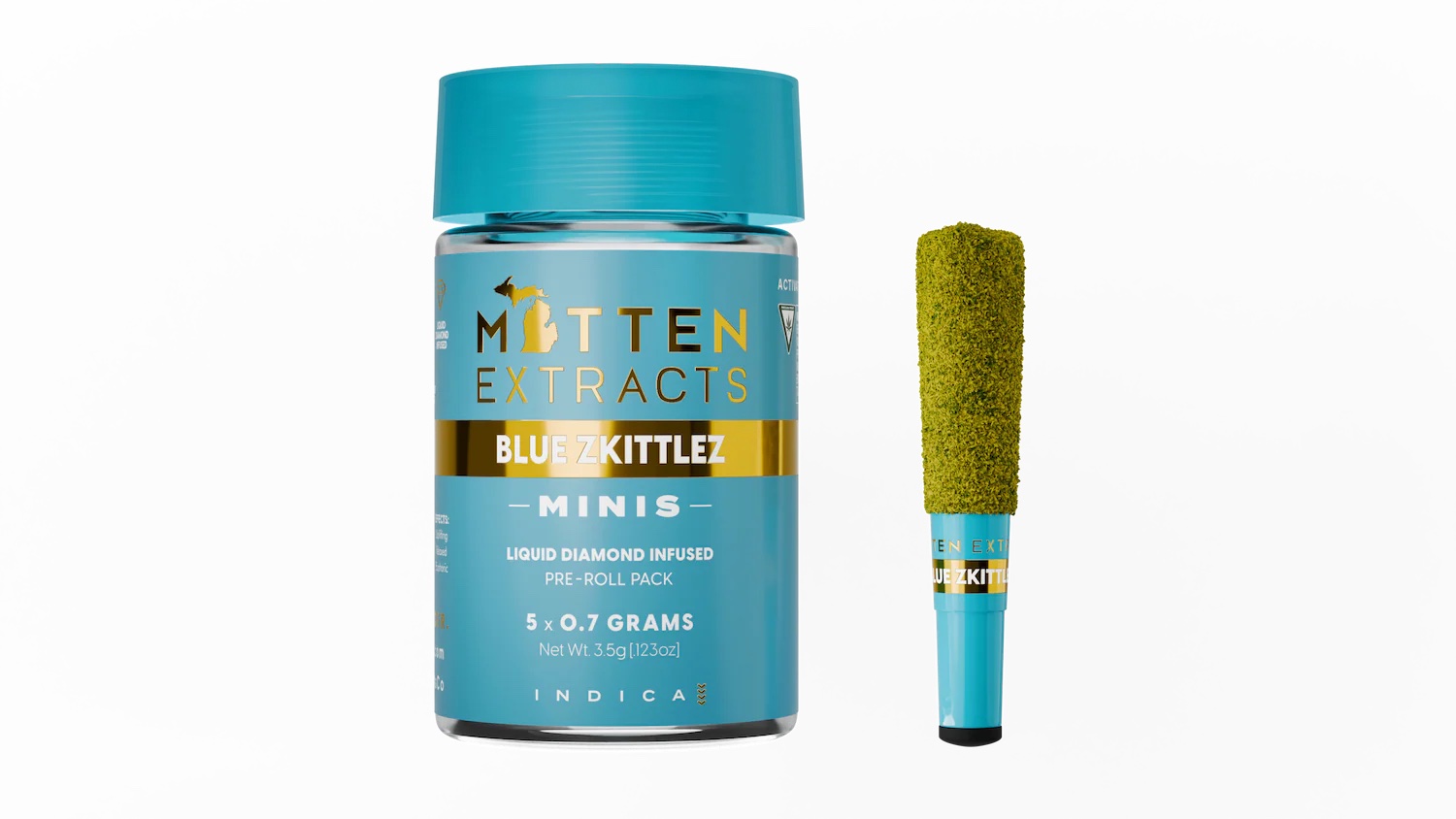
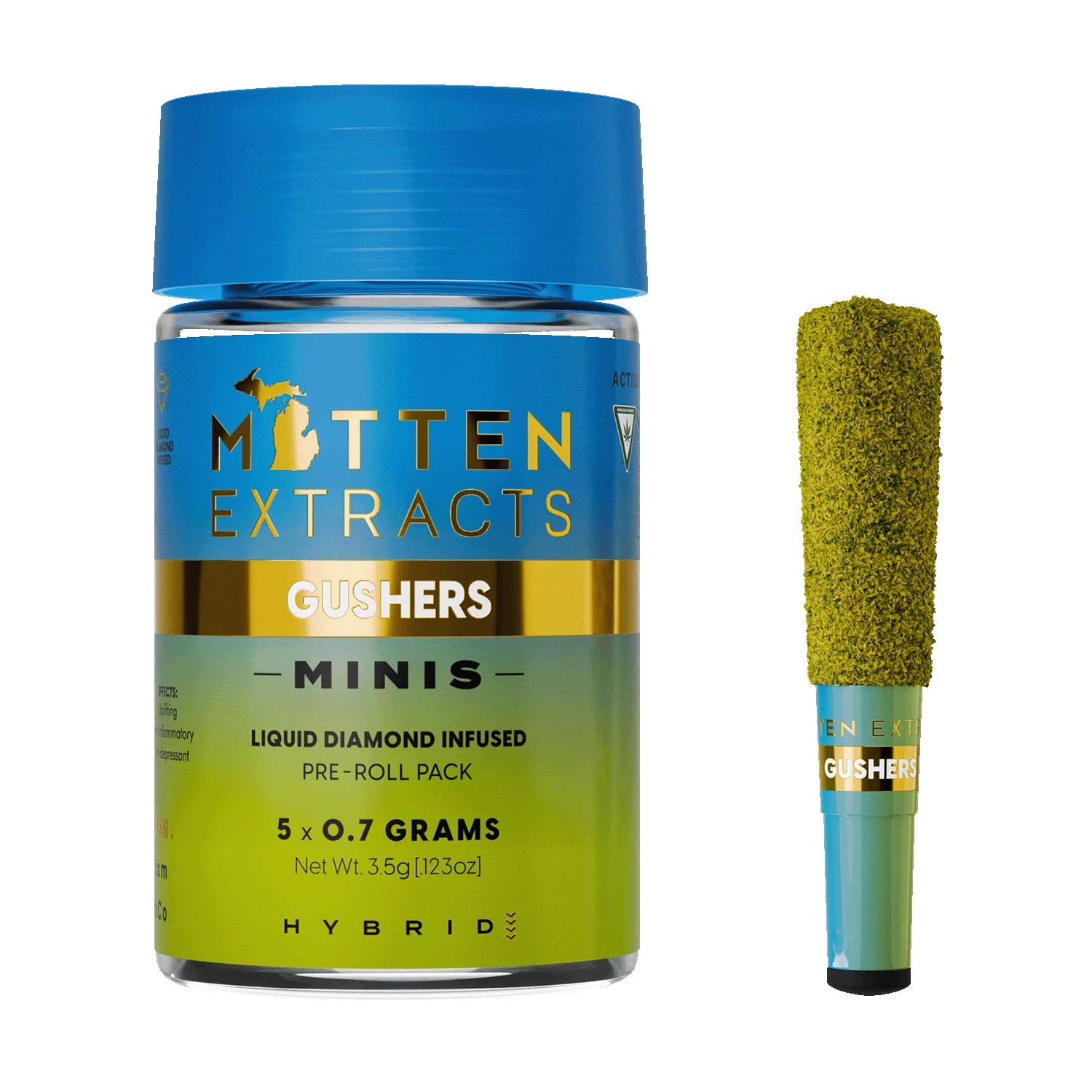
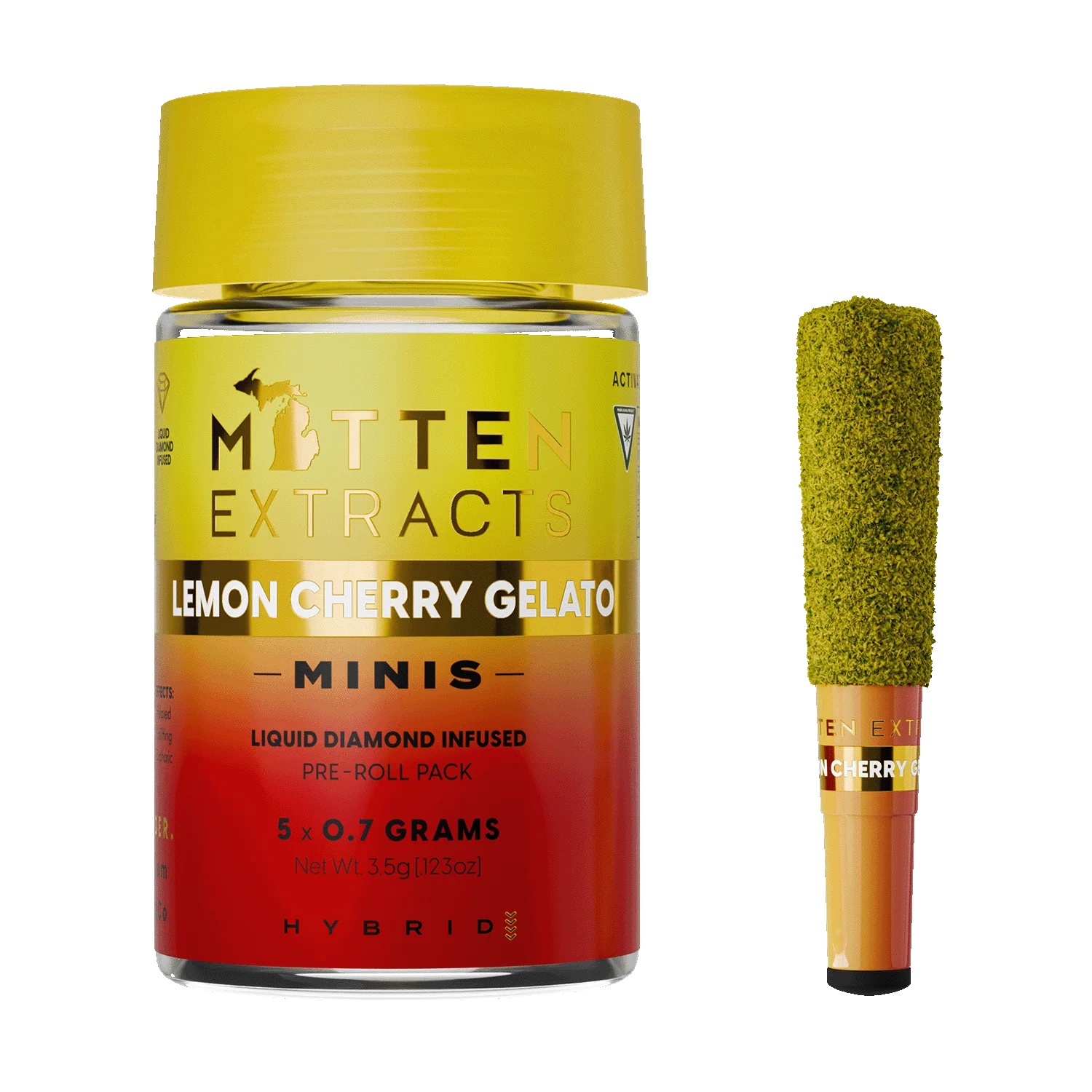
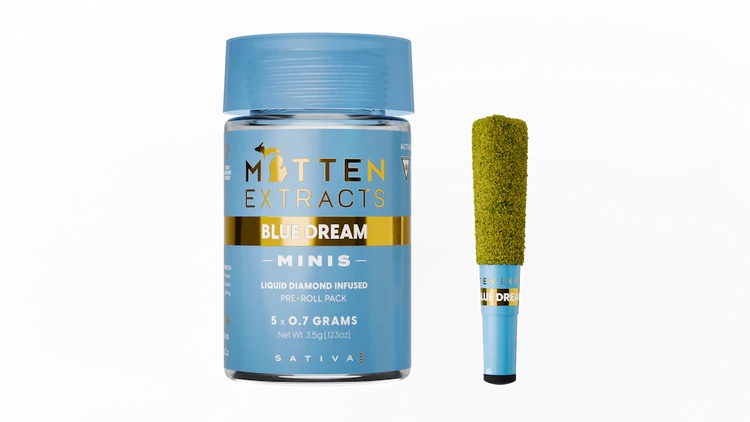
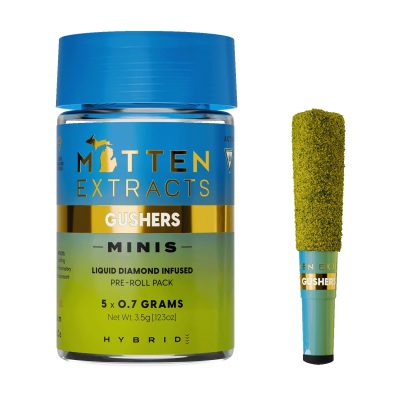
mitten extracts infused pre-rolls
Original price was: $60.00.$58.00Current price is: $58.00.
Discover Mitten Extracts, Michigan’s leading cannabis brand, offering premium vape cartridges, disposable vapes, infused pre-rolls, and delicious edibles.
Additional information
Description
Description
Mitten Extracts – Benefits, Uses, Dosage, and Safety Guide
What is Mitten Extract?
There is no authoritative information about a botanical or herbal “Mitten extract” in the scientific literature.
The term appears mainly as branding (for example, “Mitten Extracts” is a Michigan-based cannabis company offering THC products), but no peer-reviewed sources identify a plant called “mitten” or a traditional remedy by that name. In other words, no specific plant origin or botanical species known as “mitten” has been documented.
As a result, no active compounds or constituent profile of a “Mitten extract” are established in the research. By analogy, many medicinal herbs contain polyphenols, alkaloids or terpenes (for example, ginseng contains ginsenosides and antioxidant polyphenols), but nothing is documented about any compounds in “Mitten extract” itself.
Botanical origin of mitten extracts
No scientific source reports a plant named “Mitten” used in herbal medicine. The only uses of “Mitten Extracts” we found relate to cannabis products. In short, there is no known traditional herb or botanical “mitten” that would yield the extract in question.
Active compounds found in mitten extracts
Since “Mitten extract” is not defined in the literature, its active ingredients are unknown. If we assume it were similar to an adaptogenic herb, one might expect polyphenols or alkaloids like those in other adaptogens. For example, ginseng contains antioxidant polyphenols that neutralize free radicals. But no published data identify any compounds in “Mitten extract” itself.
Traditional and modern uses of mitten extracts
Because no traditional medicine or ethnobotany references exist for “Mitten extract,” there is no recorded traditional use. Modern online sources and social media mention “Mitten extract” in the context of wellness supplements or cannabis products, but these are anecdotal and unverified. Some vendors seem to market it like an adaptogen or nootropic (for stress support, focus, etc.), yet no clinical evidence supports such claims for this product name. By contrast, well-known adaptogenic herbs (e.g. ashwagandha, rhodiola) are traditionally used to help the body handle stress and fatigue, but we found no similar documentation for Mitten extracts itself.
Mitten Extract Benefits
No direct clinical studies exist on “Mitten extract,” so any claimed benefits are purely speculative. We can only infer possible effects by analogy to other adaptogenic or nootropic herbs. In general, adaptogens are thought to support cognitive function, energy, mood, stress adaptation and antioxidant defenses.
For example, research shows many plant compounds can modulate neurotransmitters, reduce oxidative stress, and support cognitive function. Likewise, adaptogenic herbs are known to alleviate fatigue and anxiety, boost energy, and improve mood over time. Any claims that “Mitten extract” provides cognitive support, energy, or stress relief would rest on these general herb effects, not on specific data.
- Cognitive support and focus: Many botanical nootropics exert their effects by balancing brain chemicals and protecting neurons. In research, plant-derived adaptogens “can modulate neurotransmitters, reduce oxidative stress and support cognitive functions’’. In practice, this means they may help with memory, attention and mental clarity. For instance, ginseng (an adaptogen) is widely studied for boosting concentration and memory. If Mitten extract had similar constituents, it might offer mild cognitive enhancement, but no evidence directly supports it.
- Energy and mood enhancement: Adaptogens often help relieve fatigue and stabilize mood. As one review notes, people use adaptogenic herbs to “alleviate anxiety, reduce fatigue and/or increase energy”. Similarly, compounds in adaptogens (like rhodiola or ginseng) can increase serotonin and dopamine, improving mood and resilience to stress. For example, Rhodiola rosea is documented to reduce tiredness and improve performance under stress. Any claims of “Mitten extract” boosting energy or lifting mood would mimic these adaptogen patterns, but again, no research has confirmed this for Mitten extract.
- Stress relief and relaxation potential: A hallmark of adaptogens is stress adaptation. They help the body return to a balanced state under stress. One source explains that adaptogens “support the body in adapting to stress and restoring homeostasis”. Clinically, adaptogens like ashwagandha and rhodiola are used to reduce anxiety and cortisol, effectively calming the nervous system. In the absence of specific data, any stress-relief attributed to Mitten extract would mirror these effects. Bottom line: claims of stress reduction are based on general adaptogen behavior, not specific trials of Mitten extract.
- Antioxidant properties of mitten extract: Many plant extracts are rich in antioxidants, and adaptogens are no exception. For example, ginseng is noted for high polyphenol content that “exhibit strong antioxidant properties, neutralizing free radicals and protecting cells from oxidative stress”. If “Mitten extract” contained similar botanicals, it might likewise help scavenge free radicals and protect cells. Again, this is hypothetical: without analysis of Mitten extract, we can only say that adaptogens generally have antioxidant activity.
In summary, no human studies confirm any benefits of Mitten extract. All potential effects above are extrapolated from known adaptogens. If Mitten extract were sold as a nootropic or adaptogen, its claimed benefits would include improved focus, energy, mood, and antioxidant support (as seen with other herbs), but these remain unverified for this product.
Mitten Extract Dosage and How to Take It
Recommended daily mitten extract dosage
Because Mitten extract is not a studied supplement, there are no official dosage guidelines. If a vendor provides dosage instructions, those are not scientifically validated. As a rough analogy, many herbal adaptogens are taken in gram-level doses of root or equivalent.
For example, one guide notes ashwagandha root doses of 1–6 grams per day (often 500 mg extract capsules twice daily). Another source suggests standardized adaptogen extracts around 300–1000 mg per day. Without data, one must follow any label instructions carefully and start at the lowest recommended dose. Always err on the side of caution.
Capsules, powders, and tinctures – which is best?
Herbal supplements commonly come in various forms: capsules/tablets, loose powder, or liquid tinctures. Each has trade-offs. Capsules and powders are convenient and tasteless, but can take longer to absorb through digestion.
Tinctures (alcohol or glycerin extracts) can be absorbed more rapidly (often via sublingual uptake). According to wellness sources, “absorption speed varies significantly between liquid and pill forms”, with capsules offering convenient dosing and tinctures allowing precise dropper measurement. Cleveland Clinic also notes adaptogens can be taken as capsules, teas, or tinctures. In practice, people who want quick effects may choose a tincture; those who prioritize convenience may prefer capsules or powders.
Combining mitten extract with other herbal supplements
No specific guidance exists for combining Mitten extract with other supplements. In general, caution is advised when mixing multiple herbs. Herbs with overlapping effects can amplify side effects or interactions. For example, combining several stimulants (like caffeine and ephedra) is discouraged. Specifically for adaptogens, always watch for interactions: Cleveland Clinic warns that adaptogens “could impact how certain medicines work if you have conditions like hypertension, diabetes, or depression”.
Also, some adaptogens have known contraindications. In one herb guide, ashwagandha is flagged as unsafe in pregnancy and caution with thyroid medications, while rhodiola is noted to interact with antidepressants. Since Mitten extract’s profile is unknown, never mix it casually. If taking other supplements (especially prescription drugs or stimulants), consult a healthcare provider before use.
Side Effects and Safety of Mitten Extracts
Possible short-term side effects
Because Mitten extract itself is unstudied, its side-effect profile is unknown. By analogy to common adaptogens and plant supplements, side effects are generally mild but can occur. Reported side effects of adaptogenic herbs include digestive upset (nausea, diarrhea), headache, insomnia, or allergic reactions.
For instance, mild stomach discomfort or headache are occasionally reported with ashwagandha or ginseng. Any new supplement should be started at a low dose to monitor for such effects. Important: if you experience any serious symptoms (e.g. severe dizziness, heart palpitations, rash), stop use immediately and seek medical advice.
Who should avoid mitten extracts?
Certain individuals should be particularly cautious. If Mitten extract contains cannabinoids (as the brand suggests) or strong herbs, it could affect pregnancy, heart, or mental health. In general for adaptogens: pregnant or breastfeeding women are often advised to avoid them (for example, ashwagandha is not recommended in pregnancy). People with autoimmune disorders or hyperthyroidism should consult a doctor, since some herbs (like astragalus) stimulate the immune system and could exacerbate autoimmunity.
Those with hormone-sensitive conditions or on hormone medications should also be cautious. Additionally, individuals with high blood pressure or heart conditions should be careful: as Cleveland Clinic notes, adaptogens can “increase blood pressure” and “impact certain medicines”. In short, anyone with significant health issues, on medications, or who is pregnant/breastfeeding should avoid using an untested product like Mitten extract without medical supervision.
Safe use guidelines and precautions
For any supplement, good practices improve safety. Only use one new supplement at a time, monitor effects, and keep doses moderate. Experts often recommend using adaptogens in short cycles (for example, several weeks on, then a break) rather than continuously, to prevent tolerance. Read labels carefully: a responsible manufacturer will list ingredients and dosing. Cleveland Clinic advises checking the product’s label and talking with your healthcare provider about adaptogenic herbs.
Also, look for high-quality manufacturing standards (see next section). If you ever notice adverse effects, discontinue use. Because Mitten extract has no clinical history, the safest approach is extreme caution: do not substitute it for proven medical treatments, and always prioritize professional medical advice before use.

Mitten Extracts vs Alternatives
Mitten extracts vs kratom
Kratom (Mitragyna speciosa) is often compared to stimulants or opioids, while adaptogens act differently. One integrative medicine source contrasts kratom and adaptogens: kratom provides “fast-acting” energy or pain relief, but has higher risk of dependence; adaptogens work “gradually” to improve stress resilience with minimal addiction risk.
In that comparison, “kratom offers fast-acting benefits (for pain, energy, mood) but with a higher risk profile, while adaptogens offer a gentler, long-term approach to resilience and balance”. Translating that to Mitten extract (if we treat it as an adaptogen):
kratom would give an immediate stimulant or analgesic effect, whereas Mitten (like other adaptogens) would be taken regularly for modest, cumulative benefits. Importantly, kratom’s legality and safety profile differ significantly: kratom can cause dependence and is banned in some places, whereas traditional adaptogens generally have much lower dependency potential.
Mitten extracts vs caffeine
Caffeine and adaptogenic herbs also differ. Caffeine is a fast-acting stimulant (blocking adenosine) that quickly boosts alertness, but it can “increase jitters and nervousness”, disrupt sleep, and cause crashes and dependence.
In contrast, adaptogens do not typically mask fatigue acutely. Instead, they help the body manage stress over time. One wellness blog explains that adaptogens work gradually, without the “jitters” or crash of caffeine. For example, caffeine’s quick spike in energy often “worsens anxiety… and leads to an energy crash”, while adaptogens let the body adapt to stress and fatigue more sustainably.
Thus, Mitten extract (as an adaptogen-like supplement) would aim for calm, steady support, whereas caffeine gives an immediate but short-lived burst. If choosing, one might use caffeine for a quick lift and adaptogens for long-term balance.
How mitten extracts compares to other adaptogens
Without specific studies on Mitten extract, we can only compare it generally to known adaptogenic herbs. For context, common adaptogens and their effects include:
- Panax ginseng (Asian/American ginseng): Supports the immune system, reduces inflammation, combats stress, and may help regulate mood. (One source says it can “reset dopamine levels and regulate your mood”.)
- Ashwagandha (Withania somnifera): Helps calm the nervous system, reduce stress-related cortisol levels, and has antioxidant properties. It is often used for relaxation and hormonal balance.
- Rhodiola (Rhodiola rosea): Commonly used to alleviate fatigue, anxiety, and depression under stress, and to improve performance during demanding tasks.
- Eleuthero (Siberian ginseng): Similar to ginseng, used for stress and fatigue relief.
Mitten extract’s purported benefits (focus, energy, stress relief) are similar to these adaptogens’ roles. However, nothing indicates Mitten is superior.
It should be regarded as another untested herbal mixture. Any effects would likely be no stronger than those of other mild adaptogens like ashwagandha or maca, whose efficacy itself varies by individual.
Where to Buy Mitten Extracts Online
Because “Mitten extract” is not an established supplement, there are no well-known or verified vendors for it. The only references we found were related to the cannabis brand in Michigan, which sells products through licensed dispensaries (in-person, not generic online).
Tips for finding high-quality mitten extracts
When considering any herbal supplement online, follow these quality tips (even though Mitten extract itself has no official source):
- Third-party testing: Choose products with a public Certificate of Analysis (CoA) from an independent lab. The CoA should list actual ingredient content and absence of contaminants. For example, reputable brands publish CoAs verifying ingredient identity and checking for heavy metals, pesticides, microbes, etc..
- Certifications: Look for cGMP (Good Manufacturing Practice) compliance, NSF or USP verification, or other quality seals. These indicate the manufacturer follows high-quality production standards.
- Transparent labels: A trustworthy supplement will clearly list all ingredients (no hidden fillers) and dosing instructions. Avoid products with proprietary blends that don’t disclose amounts.
- Reputation: Buy only from well-reviewed vendors or established brands. Be skeptical of unknown websites or “miracle” claims.
Organic vs non-organic mitten extracts
If Mitten extract were a botanical supplement, organic certification would matter. Organic herbs are grown without synthetic pesticides or GMOs. Studies show that organic foods (and presumably herbs) result in less pesticide residue in the final product. By contrast, non-organic (conventionally farmed) herbs may carry trace pesticides or chemicals.
Therefore, an organic Mitten extract would likely be safer from contaminants. For example, one source notes that choosing organic can reduce exposure to potentially harmful residues. In practice, if an herbal extract brand offers both certified organic and non-organic versions, the organic one is generally preferable for purity.
Reading third-party lab tests and certificates of analysis
When quality-testing supplements, a Certificate of Analysis (CoA) from an independent lab is ideal. A CoA will typically detail:
- Ingredient identity: Verifying each herb and compound is authentic, using methods like chromatography or DNA barcoding.
- Potency: Confirming the actual amounts of key actives match the label claims.
- Purity: Showing levels of contaminants. Labs commonly screen for heavy metals, pesticide residues, microbial contamination, residual solvents, and undeclared allergens. For example, a good CoA would report that lead, mercury, cadmium, pesticide residues, and microbes are below safe thresholds.
As one nutrition company explains, third-party labs follow strict ISO standards to ensure results are accurate and unbiased. In summary, always verify that any supplement (especially a new or obscure one) comes with accessible CoAs. This is your only assurance of quality. If no CoA is available, consider it a red flag.
mitten extract
Frequently Asked Questions (FAQ)
What is mitten extract used for?
No scientific or historical source defines uses for “mitten extract.” It appears only in informal marketing, not in pharmacology references. If anything, the name is associated with a cannabis product, which is used recreationally for its THC effects. No peer-reviewed studies exist on “mitten extract” as an herbal supplement, so no approved therapeutic uses can be stated. Any claimed uses (like focus or stress support) are unsupported by research.
How much mitten extract should I take daily?
There are no established dosing guidelines for Mitten extract. If you find a product label or website giving a dose, remember it’s arbitrary. By comparison, common adaptogenic herbs often recommend several hundred milligrams to a few grams per day. For instance, one source cites ashwagandha root doses of 1–6 g per day (typically around 500 mg of extract twice daily)va.gov. Without validation, any suggested Mitten extract dosage should be treated with caution. If you still choose to take it, use the minimum recommended dose from the vendor and do not exceed it.
Is mitten extract legal and safe?
This depends on context. The cannabis products under the Mitten Extracts brand are legal in Michigan only for adults 21 and over. If “mitten extract” is marketed as a dietary supplement or adaptogen, it falls under the same regulations as other supplements. Note that herbal supplements in general are not FDA-approved or regulated for efficacy. This means safety and legality can vary by jurisdiction. Without clear identity, we cannot guarantee safety. In practice, if it is sold as a cannabis-derived item, follow local cannabis laws (age limits, possession limits). If it is sold as a generic supplement, remember it is unregulated: purity, dosage, and side effects are unverified. As Cleveland Clinic advises, always consult your doctor before starting an untested supplement.
Can mitten extracts be taken with other supplements?
There is no specific guidance for this product. In general, mixing supplements can increase risk of interactions. For example, combining multiple stimulants (caffeine, ephedra, certain herbs) can over-stimulate the heart, while mixing sedatives (like some mushrooms or kava) can cause excess drowsiness. Some adaptogens specifically advise caution: ashwagandha should not be combined with strong sedatives or thyroid medication, and rhodiola with antidepressants. Since Mitten extract’s content is unknown, the safest approach is not to mix it with other active herbs or drugs without professional advice. Always consult a healthcare provider about your full supplement list to avoid negative interactions.
Where can I buy authentic mitten extracts online?
We found no legitimate online source for “Mitten extract” as an herbal supplement. The only references are to licensed cannabis retailers (e.g. Michigan dispensaries) for Mitten Extracts brand products. Outside the cannabis market, any website selling “Mitten extract” likely has no verifiable product. If you do encounter such a site, be skeptical: check for third-party testing results as mentioned above. In general, authentic herbal supplements are purchased through reputable health stores or established brands. Since no established brand for Mitten extract exists, we cannot recommend any seller.
People Also Ask (PAA)
What are mitten extracts made from?
Mitten extract does not have a clearly defined botanical origin in scientific literature. Some brands use the name Mitten Extracts for cannabis products, but there is no verified herb officially called “mitten.” Most mitten extract supplements online are marketed like adaptogens, though their true plant source is not confirmed.
What are the benefits of mitten extracts?
Supporters claim mitten extract may promote focus, energy, stress relief, and antioxidant protection. These benefits are commonly associated with adaptogenic herbs. However, there is currently no clinical evidence specifically proving mitten extract’s effectiveness.
How do you take mitten extracts?
Mitten extract is typically sold in capsules, powders, or tinctures. While no official dosage exists, vendors often recommend daily use in small amounts, similar to other adaptogens. Always start with the lowest mitten extract dosage provided on the label and consult a healthcare provider before use.
Is mitten extracts safe to use?
The safety of mitten extract has not been studied in clinical trials. Like other herbal supplements, possible side effects may include digestive upset, headache, or insomnia. Pregnant or breastfeeding women, and people with chronic health conditions, should avoid mitten extract without medical guidance.
Reviews
There are no reviews yet.